
 Kia Sedona: TPMS Receiver Repair procedures
Third generation YP (2014-2026) / Kia Sedona YP Service Manual / Suspension System / Tire Pressure Monitoring System / TPMS Receiver Repair procedures
| Removal |
Take care not to scratch the crash pad and related parts. |

| 1. |
Disconnect the negative (-) battery terminal. |
| 2. |
Remove the glove box housing.
(Refer to Body - "Glove Box Housing") |
| 3. |
Remove the BCM & Receiver unit (A) after loosening the nuts.
(Refer to Body Electrical System - "BCM (Body Control Module)")
|
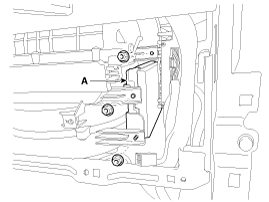
| 4. |
Replace the receiver, and then perform the learning process using a diagnostic instrument (GDS). |
[Wheel Sensor ID Writing (Wireless) initialization]
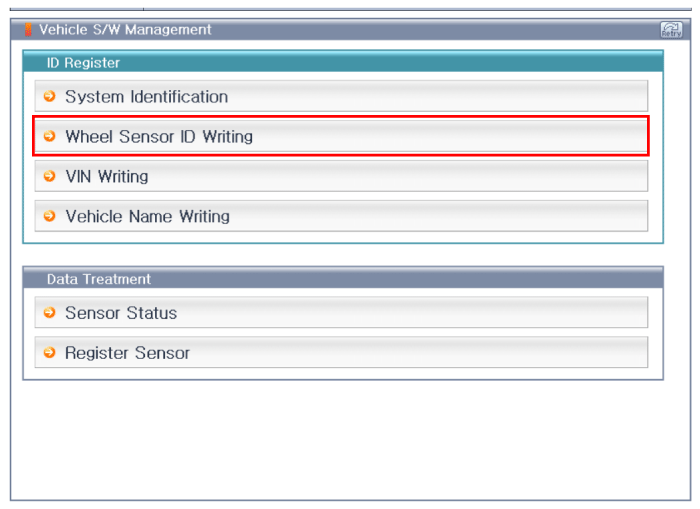
[Wheel Sensor ID Writing (Wireless) 1]
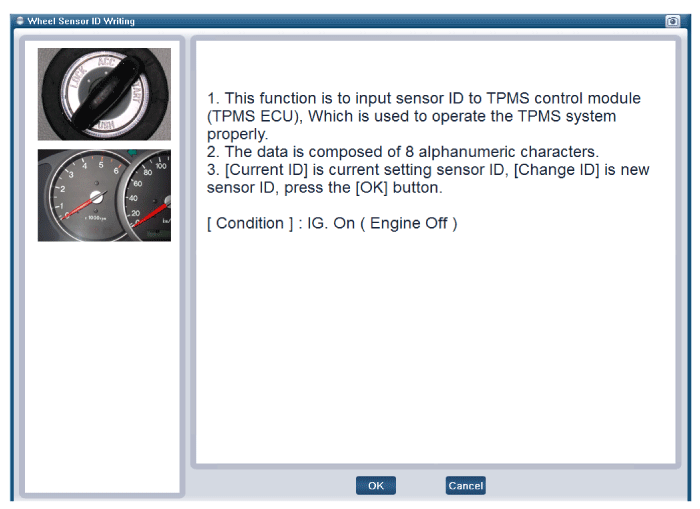
[Wheel Sensor ID Writing (Wireless) 2]
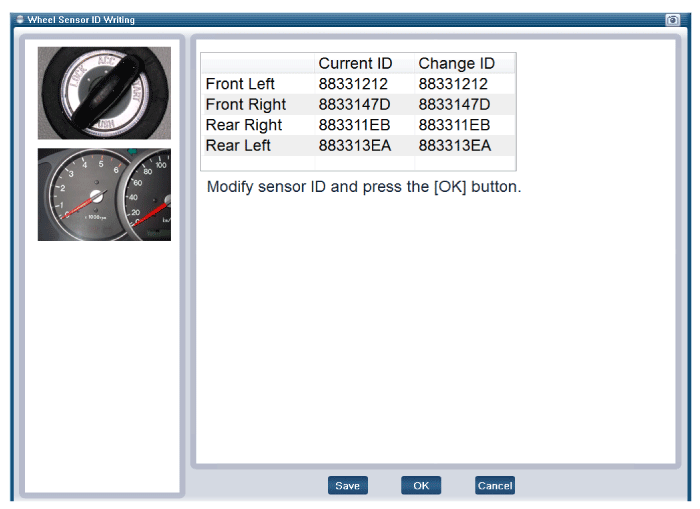
| Diagnostic Procedure Using a Diagnostic Instrument |
The following section describes how to diagnose faults using a diagnostic instrument.
| 1. |
Connect the diagnostic instrument to the self-diagnostic
connector (16-pin) beneath the crash pad on the side of driver''s seat,
and then turn on the ignition to activate the diagnostic instrument. |
| 2. |
In the GDS Vehicle Type Selection menu, select "Vehicle Type" and "TPMS" System, and then opt for "OK." |
[Vehicle name input initialization]
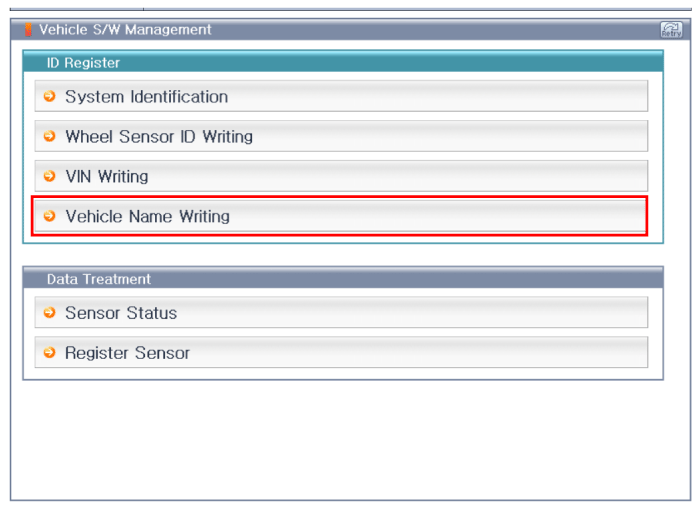
[Vehicle Name Writing 1]
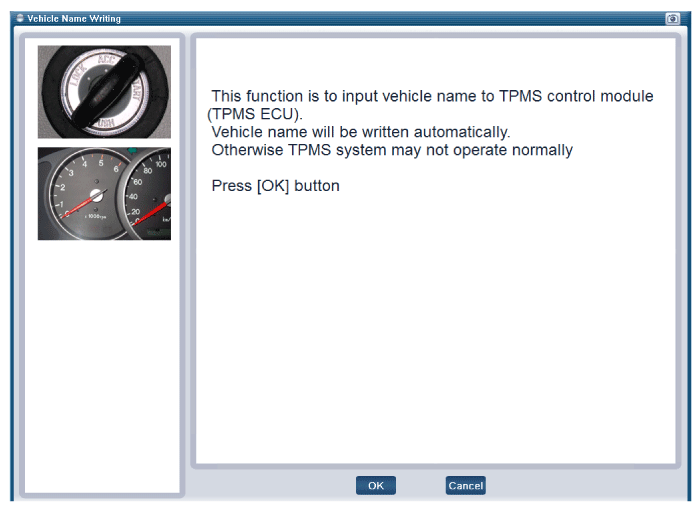
[Vehicle Name Writing 2]
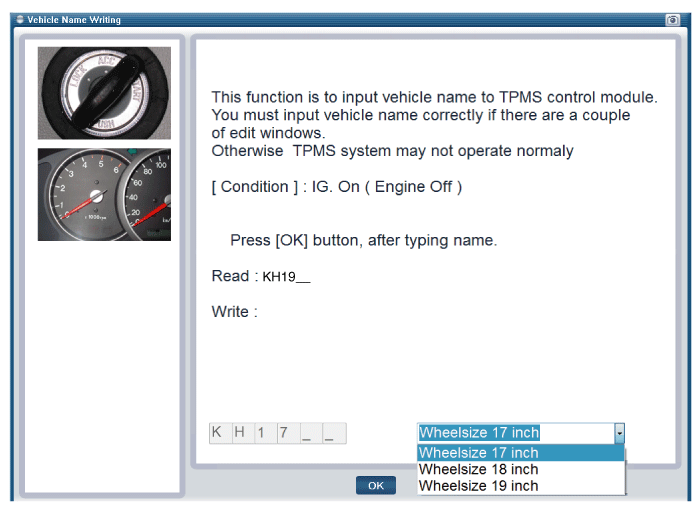
[Vehicle Name Writing 3]
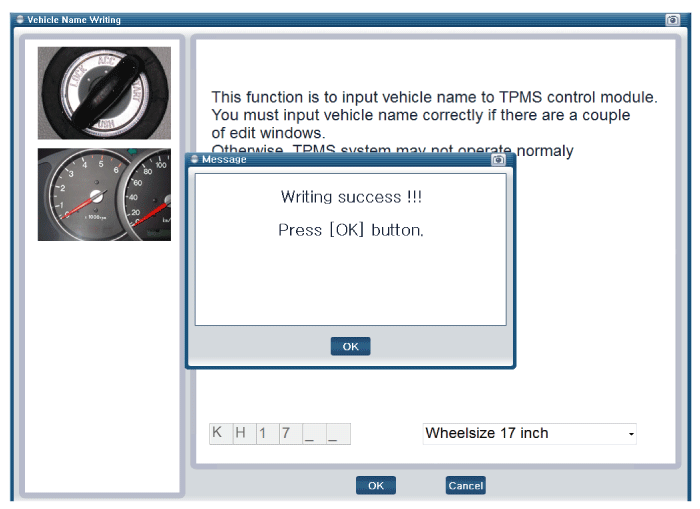
[VIN input initialization]
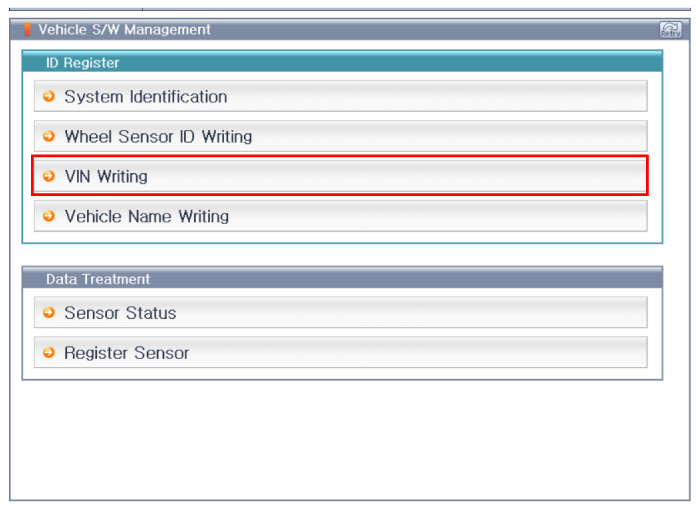
[VIN Writing 1]
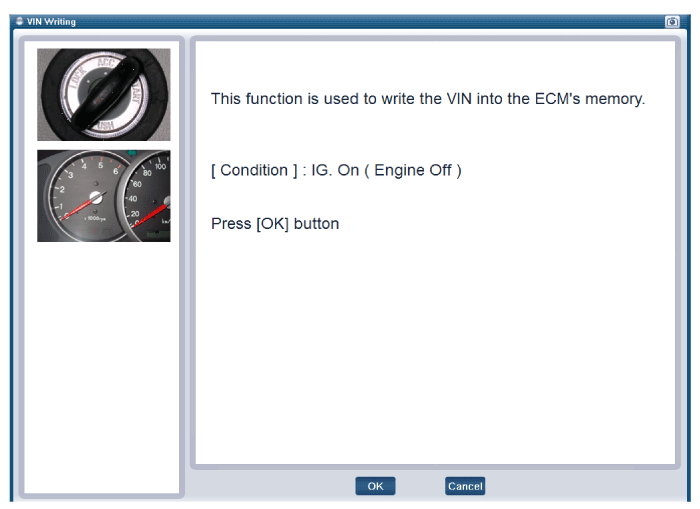
[VIN Writing 2]
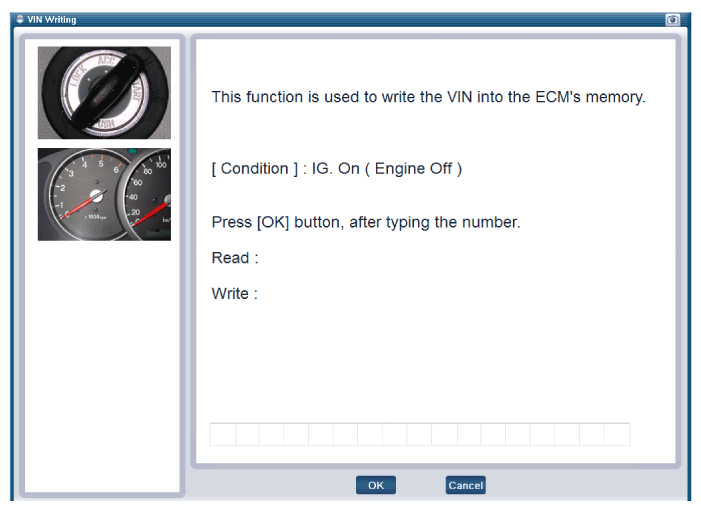
[VIN Writing 3]
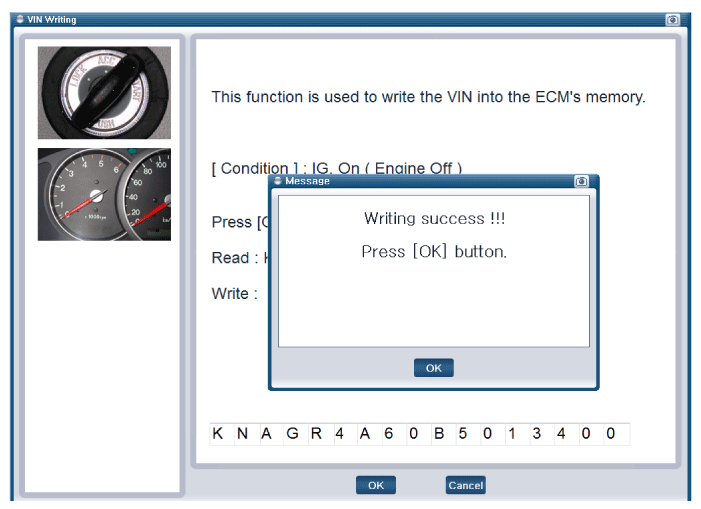
 TPMS Receiver Schematic Diagrams
Schematic Diagrams
...
 Steering System
...
Other Information:
Components and Components Location
Components Location
1. PCV Valve2. Canister3. Purge Control Solenoid Valve (PCSV)4. Fuel Tank Pressure Sensor (FTPS)5. Canister Close Valve (CCV)6. Fuel Level Sender (FLS)7. Fuel Tank Air Filt ...
Daytime running light
Daytime Running Lights (DRL) can make it easier for others to see the front of
your vehicle during the day. DRL can be helpful in many different driving conditions,
and it is especially helpful af ...
Categories
- Home
- First Generation
- Second Generation
- Third generation
- Kia Sedona YP 2014-2026 Owners Manual
- Kia Sedona YP 2014-2026 Service Manual

Copyright © www.kisedona.com 2016-2026